Introduction
When choosing exterior wall cladding for residential or commercial buildings, the initial purchase price is often one of the first factors buyers consider. However, the real cost of an exterior facade goes far beyond the price of the material itself.
Traditional wood cladding has long been appreciated for its natural appearance and architectural character. Yet, continuous exposure to sunlight, rain, moisture, and temperature fluctuations can lead to ongoing maintenance requirements, including repainting, staining, repairs, and occasional board replacement.
In recent years, PVC exterior facade panels have emerged as an attractive alternative to conventional timber cladding. Combining modern architectural designs, realistic woodgrain finishes, and low-maintenance properties, PVC facade systems offer practical solutions for homeowners, contractors, architects, and building material distributors.
But are PVC exterior facade panels actually more cost-effective than traditional wood cladding over a 10-year period?
Let's compare their installation costs, maintenance requirements, durability, and long-term value.
1. Initial Investment: PVC Exterior Facade Panels vs. Wood Cladding
At first glance, traditional timber cladding may appear to be a cost-effective option, particularly when locally available softwood species are used.
However, material prices alone do not reflect the complete installation expense.
Traditional wood cladding often requires additional preparation and finishing work. Depending on the type of timber and its intended application, this may include sanding, priming, painting, staining, or applying protective coatings.
These extra procedures increase both labor costs and installation time.
PVC exterior facade panels, on the other hand, are generally manufactured with finished decorative surfaces. This eliminates the need for initial painting and reduces certain installation-related finishing requirements.
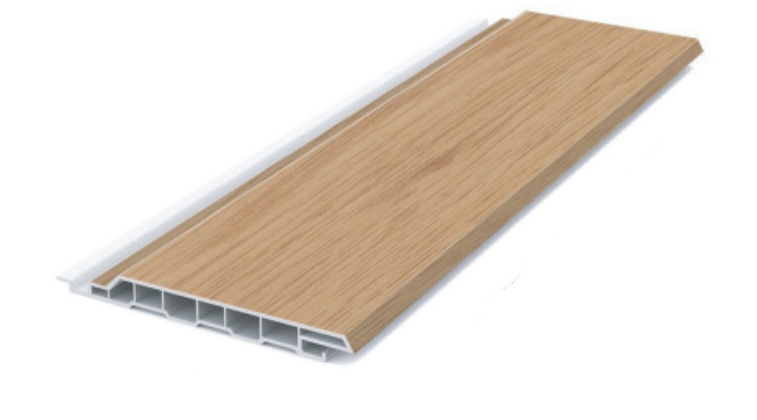
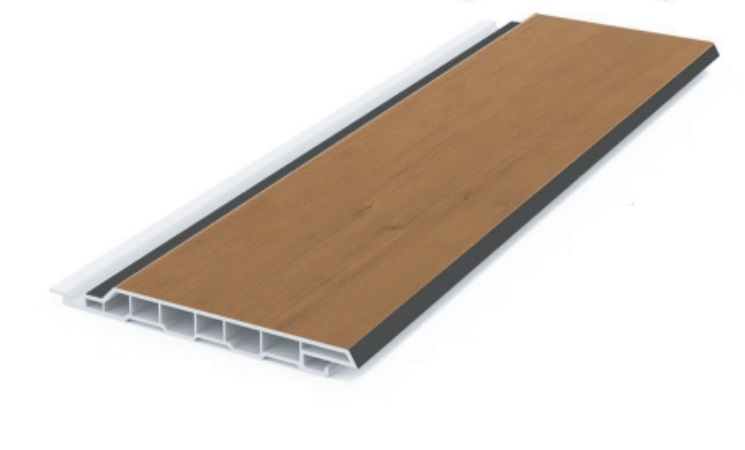
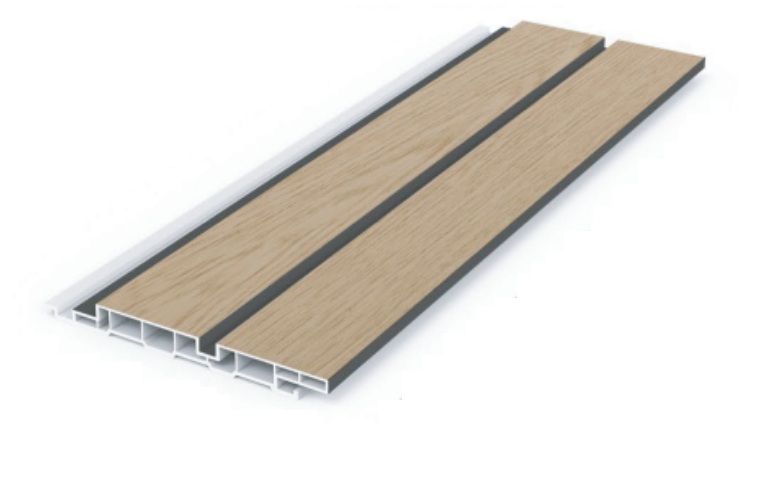
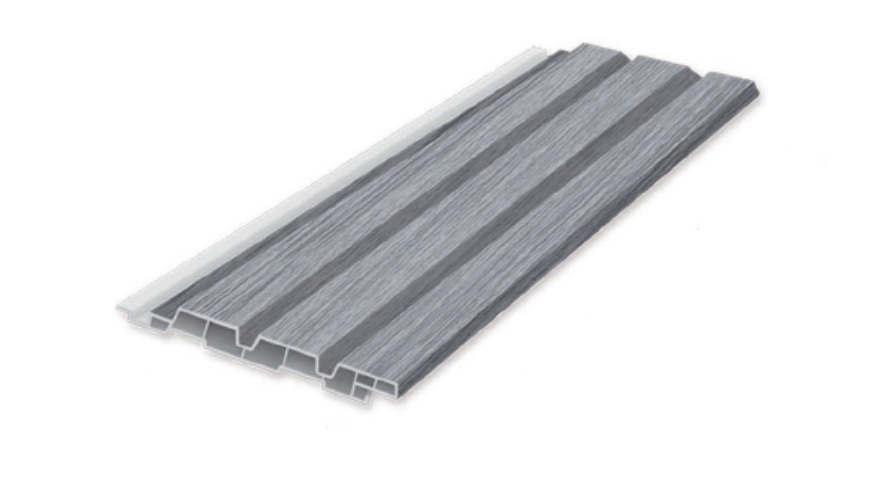
For example, HOME PLUS PVC Exterior Facade Panels feature lightweight hollow-profile structures with different surface designs, including flat, lap-style, and decorative louver profiles.
The panels are designed to provide a modern exterior appearance while offering convenient handling and installation possibilities.
For building material distributors and large-scale construction projects, reducing installation complexity can contribute to overall cost efficiency.
The important question is not simply which material has the lower purchase price, but which offers the better total installed value.
2. Years 1–3: The Beginning of Maintenance Differences
During the first few years after installation, exterior wall materials are continuously exposed to environmental conditions.
Sunlight, rainfall, humidity, and seasonal temperature changes can gradually affect the appearance and performance of traditional wooden cladding.
Without appropriate protective treatments, wood may experience moisture absorption, surface discoloration, cracking, or dimensional movement.
To maintain its appearance and protective performance, traditional wood cladding may require regular inspections and maintenance.
Common maintenance activities include:
- Inspecting painted or stained surfaces
- Cleaning dirt, mold, and mildew
- Repairing damaged protective coatings
- Checking for cracking, swelling, or warping
- Repainting or re-staining when necessary
These maintenance procedures require additional materials, labor, and time.
PVC exterior facade panels offer a different approach.
Unlike natural timber, PVC does not rot due to moisture exposure. Its factory-finished decorative surfaces generally do not require regular painting or staining.
Routine cleaning with water and mild detergent is often sufficient to remove accumulated dirt, although regular inspections of fixings, joints, and surrounding components are still recommended.
For homeowners and property managers, reducing repeated maintenance work can make exterior building upkeep more convenient and predictable.
3. Years 4–7: Durability Becomes Increasingly Important
As the years pass, the long-term performance of exterior cladding materials becomes more noticeable.
Traditional wood cladding can continue to provide an attractive appearance when properly maintained. However, protecting its surface may require repeated treatments, particularly in humid regions or locations experiencing frequent rainfall.
Painted timber facades may require another maintenance cycle depending on the coating quality, climate, and exposure conditions.
If protective coatings deteriorate, moisture penetration may contribute to localized damage and additional repairs.
PVC exterior facade panels can offer several practical advantages over this period.
Moisture Resistance
PVC does not experience biological decay in the same way as natural timber.
This makes PVC exterior cladding an option worth considering for projects where moisture resistance is particularly important.
Weather Resistance
Exterior-grade PVC facade panels can be manufactured using formulations designed for outdoor exposure.
Appropriate stabilizers and surface technologies can help improve resistance to weathering and UV exposure.
Actual performance depends on the product formulation, environmental conditions, and relevant test results.
Low Maintenance
One of the most significant advantages of PVC exterior facade cladding is its reduced need for surface maintenance.
While traditional timber may require periodic painting or staining, factory-finished PVC panels generally retain their decorative surface without these treatments.
Consistent Appearance
PVC extrusion technology allows manufacturers to produce profiles with consistent dimensions and surface designs.
Woodgrain finishes and decorative profiles can create a uniform architectural appearance across larger wall areas.
Lightweight Construction
The hollow structure of many PVC exterior facade panels helps reduce material weight, which can simplify handling and transportation.
Installation should always follow the manufacturer's recommendations, including appropriate fastening methods and allowances for thermal expansion.
Together, these advantages can help reduce maintenance demands throughout the middle years of a building's service life.
4. Years 8–10: Understanding the Real Cost of Ownership
After nearly a decade of exterior exposure, the difference between initial material costs and long-term ownership costs becomes particularly important.
Traditional wood cladding may continue to perform well with appropriate care, but maintenance expenses can accumulate over time.
Depending on the wood species, protective coatings, and local climate, these expenses may include repainting, staining, repairing damaged sections, or replacing individual boards.
PVC exterior facade panels typically require fewer decorative maintenance operations because their finished surfaces do not require repeated painting.
To compare the materials fairly, it is useful to calculate the total cost of ownership.
Total 10-Year Cost = Initial Material Cost + Installation Cost + Maintenance Cost + Repair and Replacement Cost
The following comparison highlights the main cost considerations.
| Cost Factor | Traditional Wood Cladding | PVC Exterior Facade Panels |
|---|---|---|
| Initial material cost | Varies by timber species and grade | Varies by profile, finish, and specification |
| Surface preparation | May require treatment and painting | Generally supplied with a finished surface |
| Installation labor | Depends on board type and finishing requirements | Depends on profile and fixing system |
| Repainting or staining | Periodically required for many timber systems | Generally not required |
| Moisture-related deterioration | Possible without adequate protection | Not subject to timber rot |
| Routine cleaning | Required | Required |
| Long-term maintenance | May involve multiple coating and repair cycles | Usually focused on cleaning and inspections |
| Replacement costs | Depend on timber condition and maintenance | Depend on product quality, exposure, and installation |
For large residential developments, hotels, commercial buildings, and renovation projects, recurring maintenance can represent a substantial long-term expense.
By reducing the need for repainting and certain moisture-related repairs, PVC exterior facade panels may offer a lower-maintenance alternative to conventional timber cladding.
However, the exact financial advantage depends on local material prices, labor rates, climate, and project requirements.
5. Modern Architectural Design: More Than Just a Wood Alternative
While long-term cost is important, appearance remains a major consideration when selecting exterior cladding.
Traditional wood offers a distinctive natural texture and warm architectural character.
Modern PVC exterior facade panels aim to provide a similar visual appeal while offering additional decorative possibilities.
HOME PLUS offers a range of PVC exterior facade panels designed to complement contemporary architecture.
The collection includes flat, lap-style, and decorative louver profiles, allowing designers to create different facade appearances.
Flat and Lap-Style Facade Panels
Flat and lap-style panels create clean horizontal or vertical lines, providing an understated architectural appearance.
These profiles are suitable for modern residential buildings, villas, commercial facades, and renovation projects.
The woodgrain finishes can help create a natural-looking surface without requiring the same regular decorative treatments as conventional timber.
Decorative Louver Facade Panels
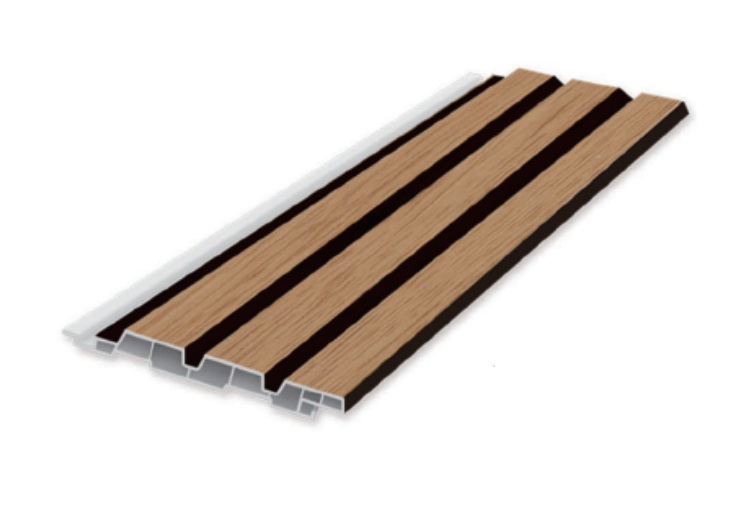
Louver-style PVC facade panels feature raised linear designs that introduce depth, texture, and shadow effects.
These decorative profiles can enhance modern building exteriors by creating a more dimensional facade.
Different louver arrangements provide architects and designers with options for controlling the visual rhythm of exterior wall surfaces.
Woodgrain Finishes and Contemporary Colors
HOME PLUS PVC exterior facade panels are available in wood-inspired surface designs, offering alternatives to traditional natural timber.
Light wood tones can create a warm and contemporary appearance, while darker finishes can provide a more distinctive architectural effect.
Horizontal and Vertical Installation
Depending on the selected profile and recommended installation system, PVC exterior facade panels can be installed horizontally or vertically.
This design flexibility allows the same material category to be used in different architectural styles.
From contemporary villas to commercial exterior accent walls, PVC facade cladding can provide decorative solutions for a wide range of projects.
6. HOME PLUS PVC Exterior Facade Panel Collection
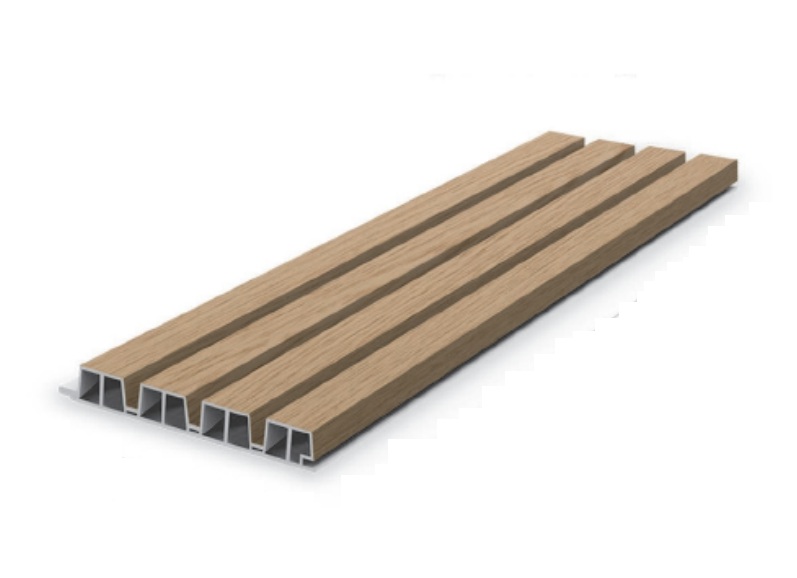
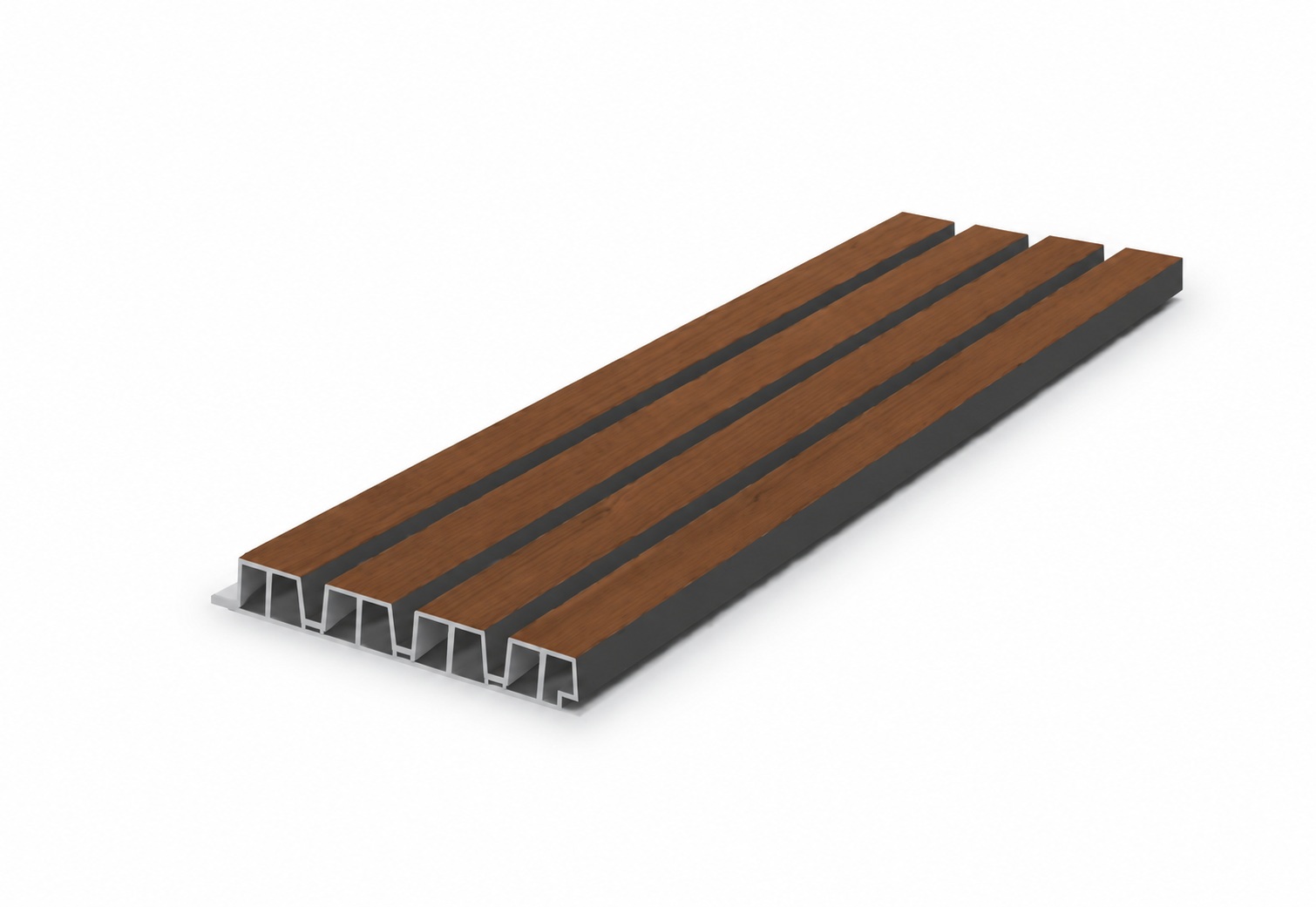
HOME PLUS provides a selection of PVC exterior facade panels with different profile designs.
The collection includes the following seven models:
| Product Model | Nominal Width |
|---|---|
| Facade 155 | 155 mm |
| Single Lap | 155 mm |
| Single Lap Dual Line | 155 mm |
| Louver 155 | 155 mm |
| Louver 155 Dual Line | 155 mm |
| Louver 175 | 175 mm |
| Louver 175 Dual Line | 175 mm |
These profiles offer different surface appearances to suit various architectural requirements.
The collection combines decorative wood-look finishes with lightweight PVC construction and convenient maintenance characteristics.
HOME PLUS PVC exterior facade panels can be considered for applications such as:
- Residential exterior wall decoration
- Modern villas and private houses
- Commercial building facades
- Exterior renovation and refurbishment
- Architectural feature walls
- Selected eaves and exterior decorative details
For project-specific applications, buyers should confirm installation requirements, performance data, and applicable building regulations.
7. Why PVC Exterior Facade Panels Are Attractive to Building Material Distributors
For international building material importers, wholesalers, and distributors, product selection involves more than choosing an attractive exterior finish.
Distributors need products that meet market expectations, support efficient installation, and help minimize customer complaints.
PVC exterior facade panels offer several commercially relevant advantages.
Growing Interest in Low-Maintenance Materials
Many customers are looking for exterior building materials that reduce the time and expense associated with routine upkeep.
PVC cladding can appeal to homeowners and project developers who prefer finished decorative surfaces that do not require regular repainting.
Multiple Design Options
Different profile styles and woodgrain finishes allow distributors to offer a broader selection of exterior facade products.
This can help suppliers address different design preferences in residential and commercial markets.
Lightweight Handling
Hollow PVC profiles may offer handling and transportation advantages compared with certain heavier cladding materials.
Actual logistics costs depend on packaging dimensions, shipment volume, and transportation conditions.
Consistent Product Appearance
Manufactured PVC profiles can provide consistent dimensions and decorative designs, supporting repeat orders and larger installation projects.
Opportunities for Product Range Expansion
For distributors already supplying interior decorative panels, wall cladding, or other building materials, PVC exterior facade panels can represent an opportunity to expand into additional exterior applications.
Before selecting a product for a new market, buyers should review the relevant climate conditions, product test data, and local regulatory requirements.
8. Why Choose HOME PLUS for PVC Exterior Facade Cladding?
At HOME PLUS, we understand that international buyers are looking for building materials that combine attractive design, reliable quality, and practical value.
Our PVC exterior facade panel collection includes seven distinctive profile designs, offering options for modern architectural projects.
From flat and lap-style surfaces to dimensional louver profiles, the collection is designed to support different exterior design preferences.
HOME PLUS focuses on providing suitable product solutions and professional support for international customers, including building material importers, distributors, wholesalers, contractors, and project buyers.
Our team can assist customers in selecting suitable panel profiles, exploring available decorative finishes, and reviewing product specifications.
Whether you are sourcing PVC facade panels for a residential project or looking to expand your building material product range, HOME PLUS welcomes your inquiries.
9. Conclusion: Which Cladding Material Offers Better Long-Term Value?
Traditional wood cladding continues to be appreciated for its natural beauty and architectural appeal.
However, the long-term expense of painting, staining, protective treatments, and possible repairs can affect its overall cost of ownership.
PVC exterior facade panels offer a practical alternative for projects that prioritize low maintenance, moisture resistance, decorative versatility, and consistent exterior finishes.
Over a 10-year period, reduced repainting requirements and lower decorative maintenance demands may contribute to meaningful cost savings.
The most suitable choice ultimately depends on project requirements, local environmental conditions, design preferences, and budget.
For homeowners, architects, contractors, and building material distributors, PVC exterior facade cladding deserves serious consideration as a modern alternative to traditional wooden exterior surfaces.
Discover HOME PLUS PVC Exterior Facade Panels
Looking for a reliable supplier of PVC exterior facade cladding?
Explore the HOME PLUS collection featuring flat, lap-style, and decorative louver profiles with wood-look finishes.
Contact our team for product specifications, samples, available finishes, and quotations.
HOME PLUS
Website: HOME PLUS
Product Collection: Explore HOME PLUS PVC Facade Panels
Frequently Asked Questions (FAQs)
What are PVC exterior facade panels?
PVC exterior facade panels are decorative cladding profiles designed for exterior wall applications. They are available in different designs, including flat, lap-style, and louver profiles.
Are PVC exterior facade panels better than traditional wood cladding?
PVC exterior facade panels can be preferable for projects that prioritize low maintenance, moisture resistance, and factory-finished decorative surfaces. Traditional wood may be preferred where authentic timber appearance is the primary consideration.
Do PVC facade panels require painting?
Factory-finished PVC exterior facade panels generally do not require regular painting or staining. Routine cleaning and periodic inspection are still recommended.
Are PVC exterior facade panels suitable for humid climates?
PVC is not subject to timber rot caused by moisture exposure. However, the complete cladding system must be appropriately designed and installed for local humidity, rainfall, wind, and temperature conditions.
Can PVC facade panels be installed horizontally and vertically?
Selected PVC facade panel profiles can be installed horizontally or vertically, depending on the manufacturer's installation recommendations and project requirements.
How long do PVC exterior facade panels last?
The service life of PVC exterior facade panels depends on product formulation, UV resistance, weather exposure, installation quality, and maintenance. Product-specific testing and warranty conditions should be reviewed when estimating long-term performance.
Where can I buy PVC exterior facade panels in bulk?
HOME PLUS supplies PVC exterior facade panels for international building material markets. Customers can contact the team for product selection, available finishes, specifications, samples, and quotations.